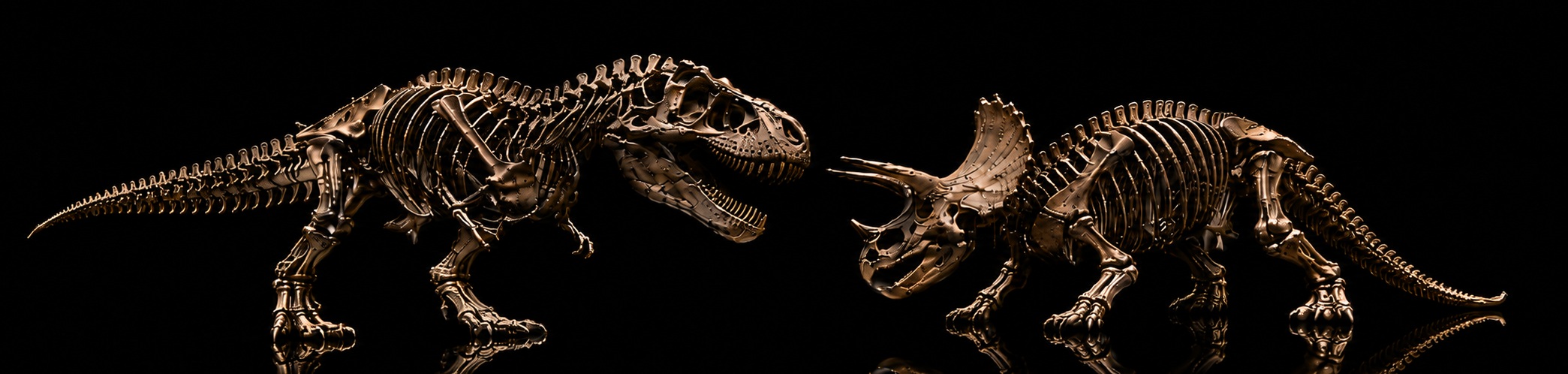
Illustration of Tyrannosaurus rex and Triceratops skeletons on a black background

Authentic. Rare. Extraordinary.

History You Can Hold.

The Collection

Specimens Worth a Closer Look.

From ribbed shells and delicate fern impressions to the bones of ancient fish, every form invites a closer look at the natural world.

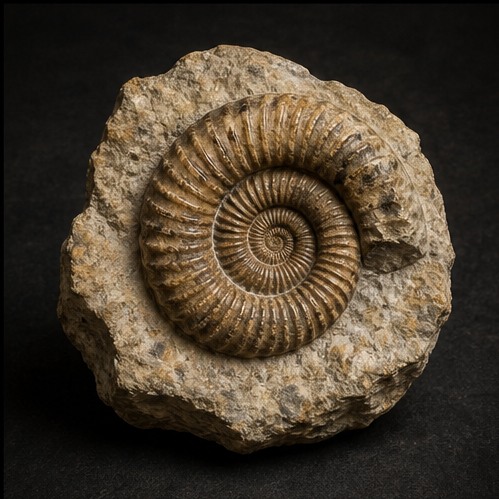
Illustrative natural-history preview: Ammonite in MatrixView image
Marine Fossils

Ammonite in Matrix

A spiral preserved from an ancient sea

Raised ribs trace a tightly coiled shell against its rough limestone setting. Ammonites were marine relatives of squid and cuttlefish; their distinctive shells make an inviting starting point for a natural-history collection. The contrast between fossil and matrix rewards a closer look.
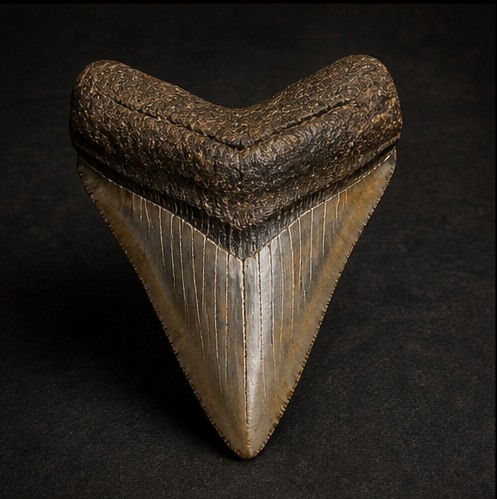
Illustrative natural-history preview: Ancient Shark ToothView image
Shark Teeth

Ancient Shark Tooth

A relic from a prehistoric ocean predator

A broad triangular crown and textured root give this tooth its unmistakable silhouette. Fossil shark teeth can preserve striking differences in color, wear, and edge detail. Identification, measurements, and condition would be documented for each individual tooth before it is offered.

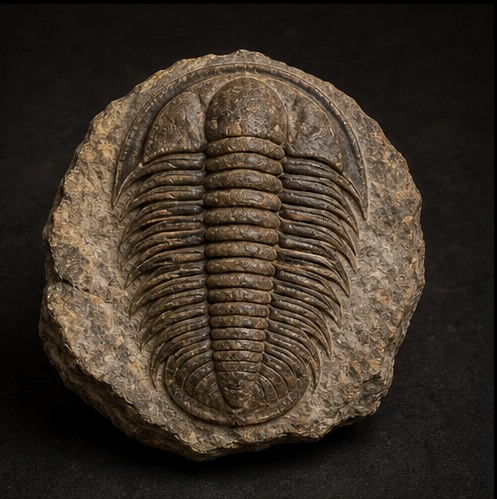
Illustrative natural-history preview: Trilobite FossilView image
Marine Fossils

Trilobite Fossil

An intricate survivor of the Paleozoic seas

A segmented body, distinct head shield, and sculptural form bring ancient seafloor life into focus. Trilobites were marine arthropods, and their preserved shells reveal remarkable anatomical detail. The surrounding stone provides a quiet contrast to the fossil's articulated shape.

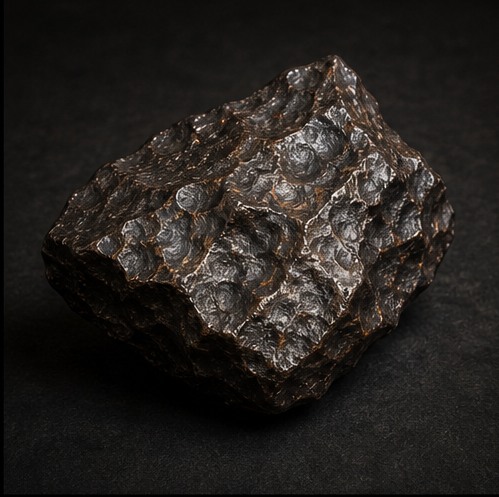
Illustrative natural-history preview: Meteorite FragmentView image
Meteorites

Meteorite Fragment

From a world beyond our own

Dark metallic surfaces and an irregular outline introduce the otherworldly side of collecting. Meteorites are material from space that reaches Earth's surface. A sale-ready listing would include classification, weight, and documented provenance; appearance alone cannot authenticate a meteorite.

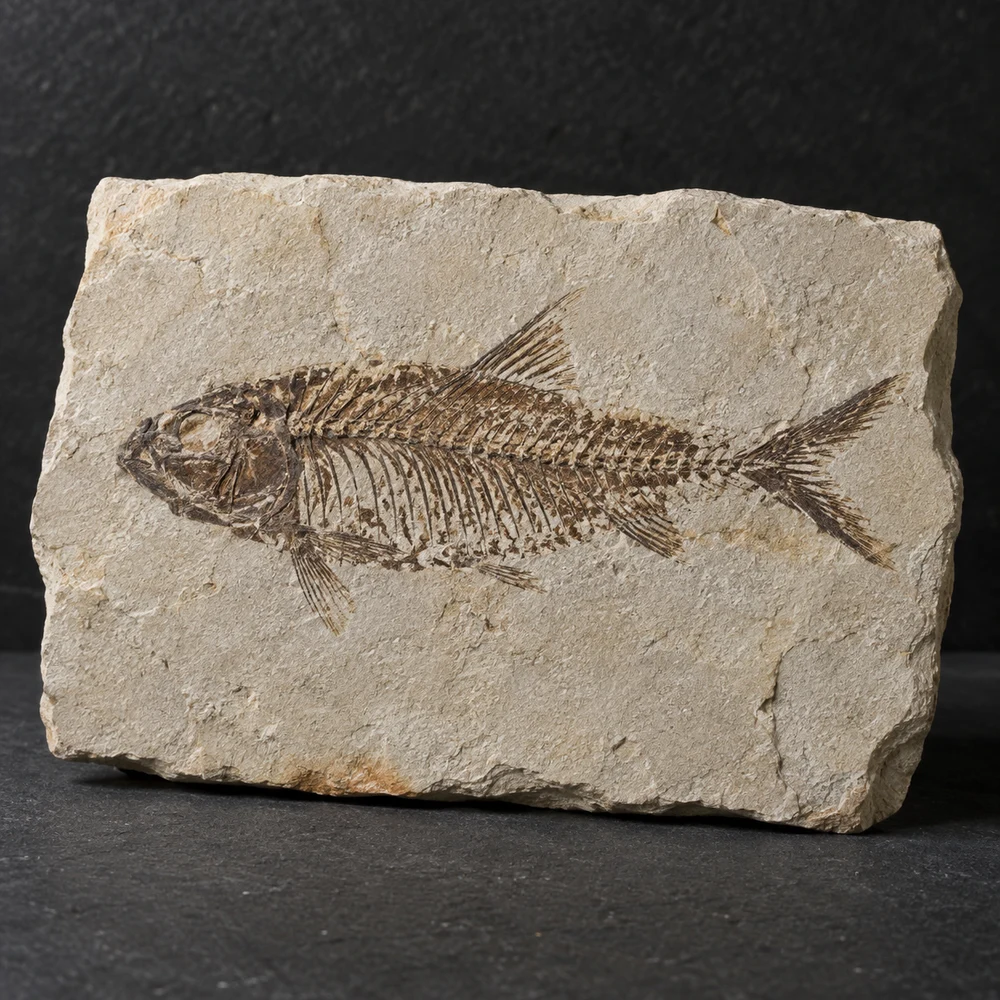
Illustrative natural-history preview: Fossil Fish in LimestoneView image
Fish Fossils

Fossil Fish in Limestone

A quiet moment from an ancient lake

Fine ribs, a slender backbone, and the outline of fins stand out against pale stone. Fish fossils can preserve extraordinary details of ancient aquatic life. This plate-style presentation brings those delicate structures into view without distracting from the fossil itself.

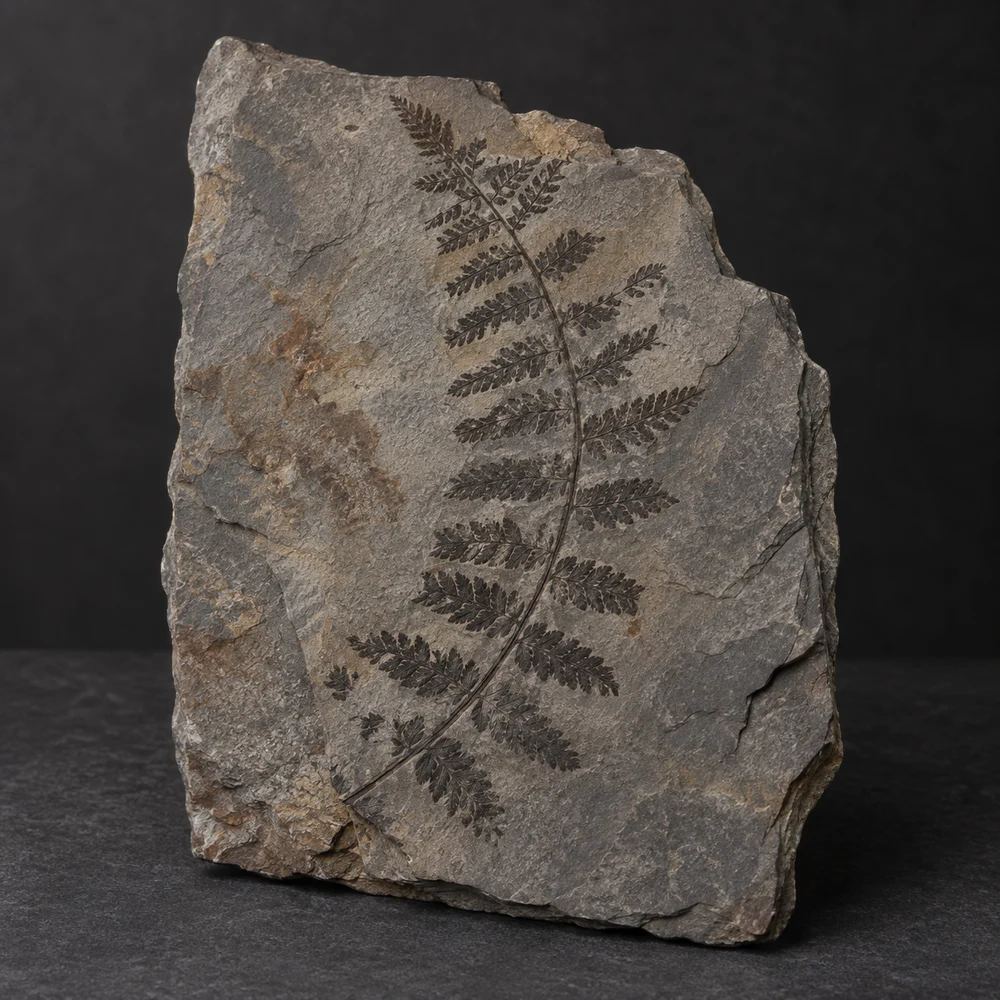
Illustrative natural-history preview: Fern Impression in ShaleView image
Plant Fossils

Fern Impression in Shale

Before history was written, it was preserved in stone

Feathery leaf impressions follow a graceful stem across a naturally fractured shale surface. Plant fossils offer a different view of deep time, recording the forms of long-vanished landscapes. Subtle contrast and layered stone give this piece an understated, almost botanical-print character.

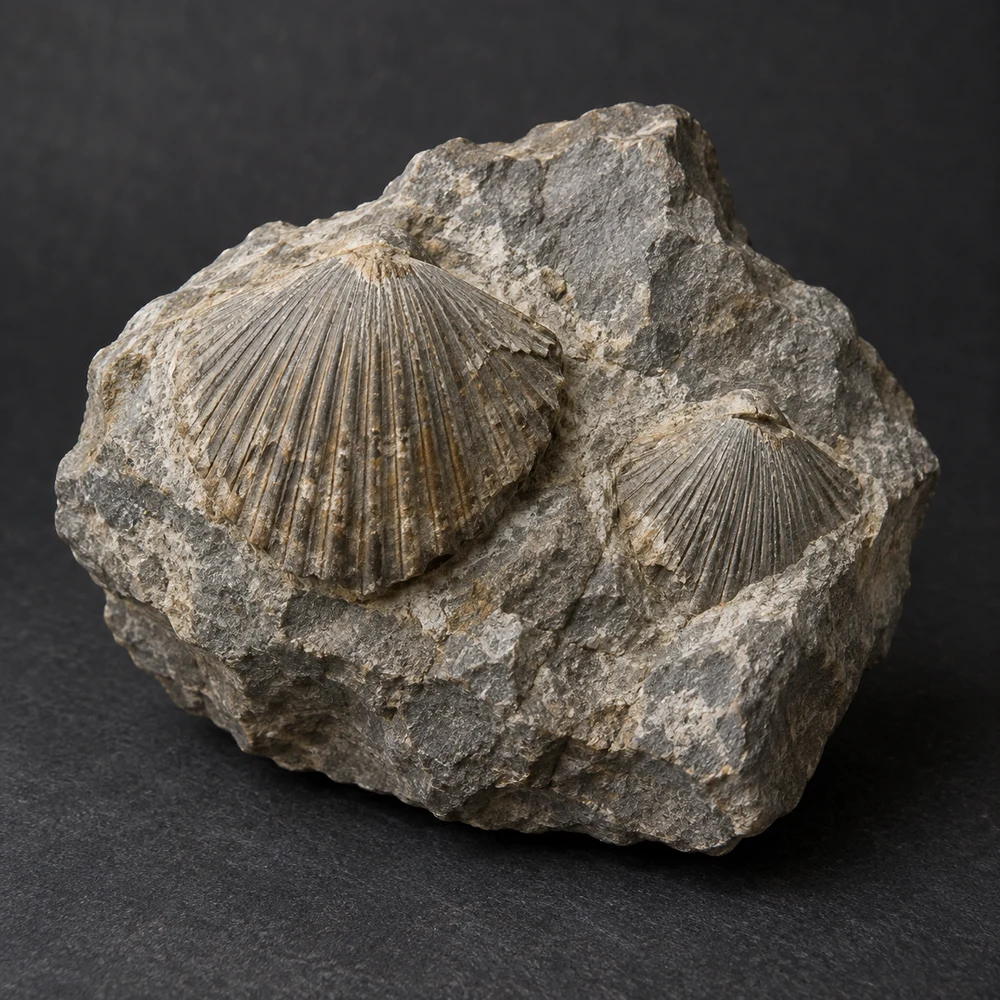
Illustrative natural-history preview: Brachiopods in MatrixView image
Marine Fossils

Brachiopods in Matrix

Small shells. An immense story.

Two ribbed shell forms emerge from a rough limestone setting, their fine contours catching the light. Brachiopods are marine animals with two shells, distinct from clams despite the resemblance. A compact matrix piece invites close examination of both the fossils and the rock around them.

Fossil Collection

Ancient Wonders. Timeless Pieces.

Explore fossil forms from prehistoric seas and forests: ammonites, trilobites, shark teeth, fossil fish, and plant impressions. This collection introduces the shapes and details that make fossil identification and paleontology so rewarding.

Every fossil is evidence of a world that existed before us. Every meteorite is a piece of a world beyond our own.

The gallery is a natural-history showcase, not an inventory of specimens currently offered for sale.

Specimens

From prehistoric seas to distant worlds.

  • Fossils and ancient marine specimens
  • Shark teeth and distinctive natural-history finds
  • Meteorites and space-origin pieces
  • Minerals, display pieces, and collector objects
  • Fossil reproductions and educational pieces
  • Rare finds selected for story, beauty, and presence

Fossil Hunting & Identification

Look closer. Keep the story with the stone.

A useful fossil record includes photographs, a scale, the location, and notes about the surrounding rock. Those details help place a find in context; a resemblance alone is not a confirmed identification.

Before a fossil hunting trip, check the landowner's permission and the rules for that location. In National Park Service areas, leave fossils where they are, photograph the find, and tell a ranger. Read the National Park Service guide to fossil context.

Dinosaurs are only part of prehistoric life.

Ammonites were marine mollusks, not dinosaurs. Fossil collecting also opens a window onto ancient plants, fish, and other life. Explore the Natural History Museum's ammonite guide and dinosaur resources, then read about the Oklahoma field days that inspired Fossil Dude.